SHG formation
Introduction
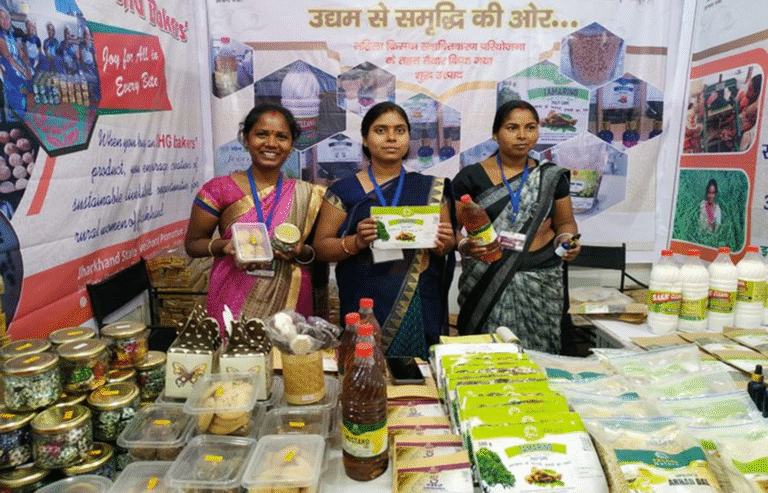
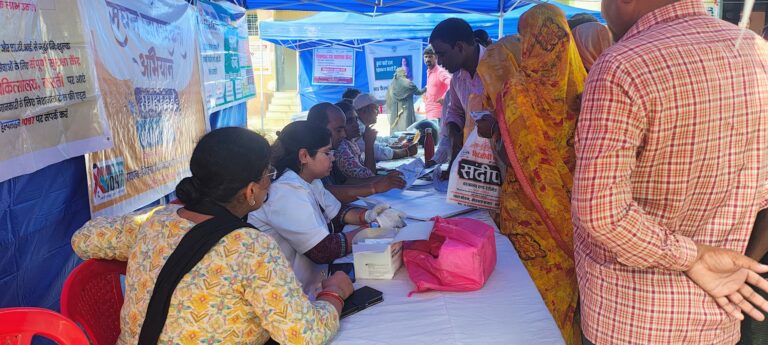
The Self-Help Group (SHG) Bank Linkage Program aims to integrate grassroots-level SHGs into the formal banking system, providing access to financial services like savings, credit, and insurance. This report highlights the progress made in SHG formation and credit linkage.
Key Highlights
– Number of SHGs Linked: As of March 2024, 500 lakh SHGs were linked to banks, with a cumulative bank loan of Rs. 3.20 crore.
– Average Loan per SHG: The average loan per SHG was Rs. 64,027.
SHG Formation and Credit Linkage Progress
– SHG Spread: A total of 500 groups have been formed by combining 05 development blocks of Basti district and 5 blocks of Sant Kabir Nagar district.
– Credit-Deposit Ratio: The credit-deposit ratio for SHGs was 72.4% in 2025, with the Sant Kabir Nagar having the highest ratio at 84.4%.
Impact and Challenges
– Poverty Reduction: While the SHG-Bank Linkage Program has shown positive outcomes, its impact on poverty reduction is still limited, particularly in regions with high poverty ratios.
– Regional Imbalance: The program’s benefits are skewed towards Sant Kabir Nagar, highlighting the need for intensified efforts in other regions.
Future Directions
– Increased Funding: Banks should provide adequate incentives to branches financing SHGs and establish linkages with them, making procedures simple and easy.
– Capacity Building: Regular training of staff and community cadres under State Rural Livelihoods Missions (SRLMs) and NABARD can enhance their capacity to support SHGs.
– Financial Inclusion: The program should focus on providing financial services to vulnerable groups, including women and marginalized communities.
About Gita Gupta
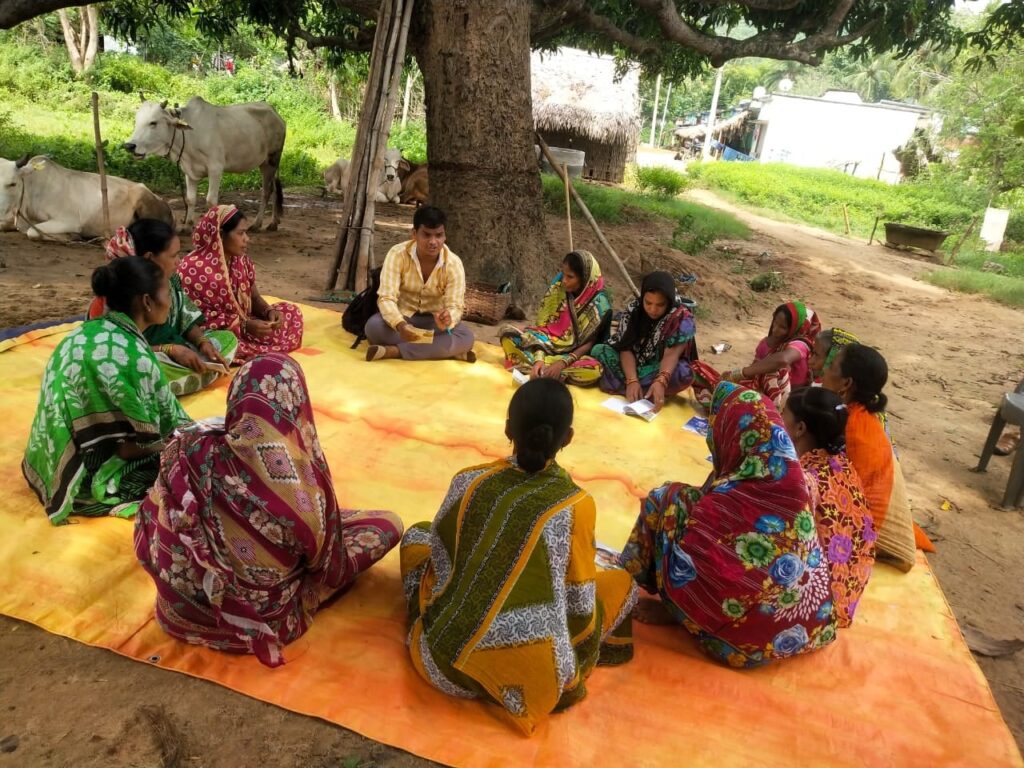
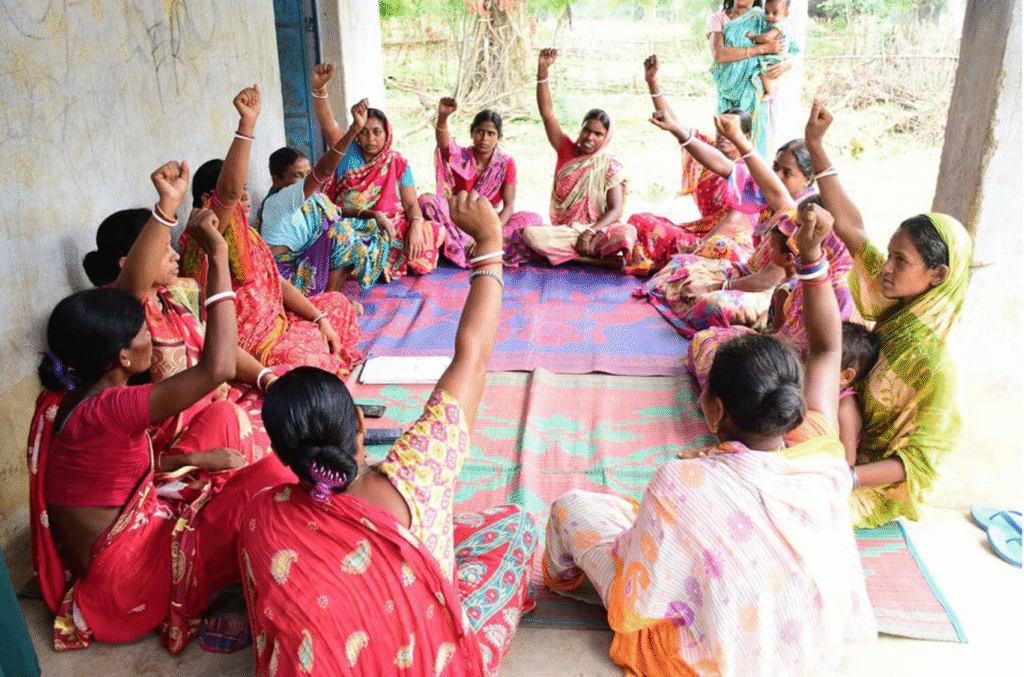
SHG Case Study
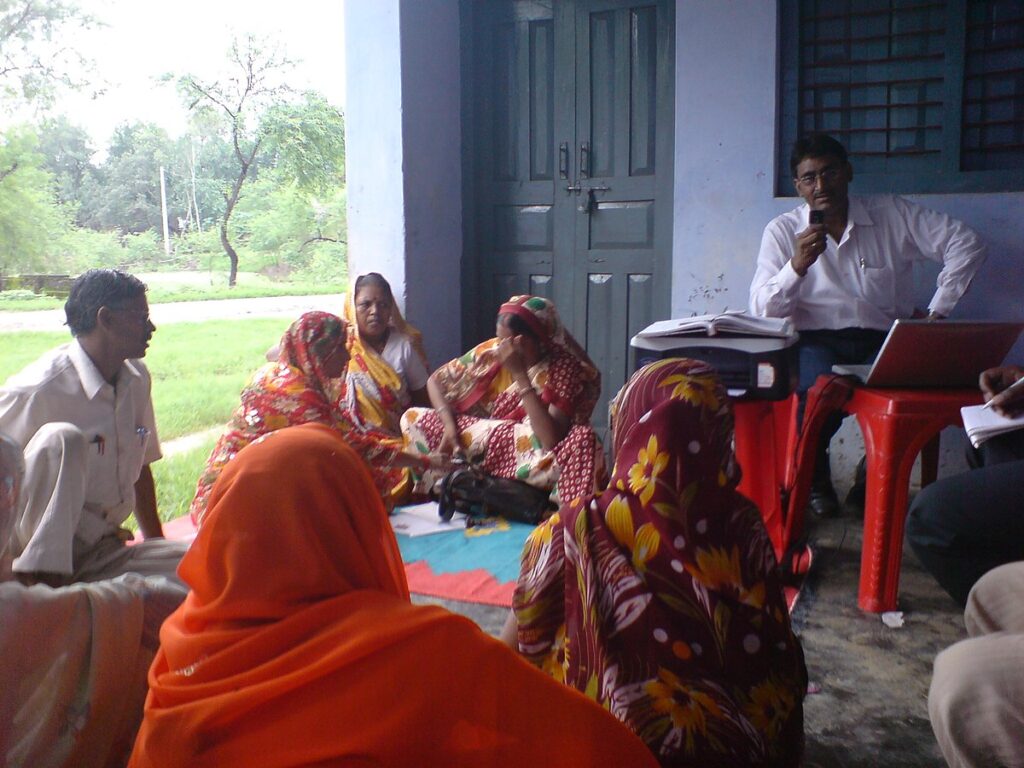
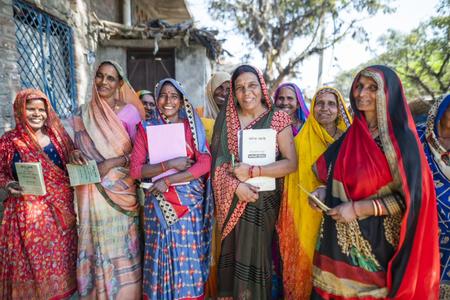
Gita Gupta is the leader of a Lakshi Self Help Group formed in 2022. In addition Gita heads up the Mushroom Cultivation and Tailring training centre teaching knitting and stitching as well as running a village shop selling Mushrrom products. Confident, and self sufficient Gita is a role model for many young women in the community, and yet it wasn’t always so.
Gita’s husband passed away three years into her marriage in 1991 leaving her a widow with a small son. To help make ends meet Gita started knitting for Umang. At first her family weren’t supportive, and felt it would distract from her housework. But soon they realised how her income could help buy food for the family.
Today Gita has made enough money to buy her own house, expand her business and send her son to an English medium school. But for Gita helping other women in distress is her primary motivation and she offers free training to those that cannot afford it.